
Linguhacks/Typohacks
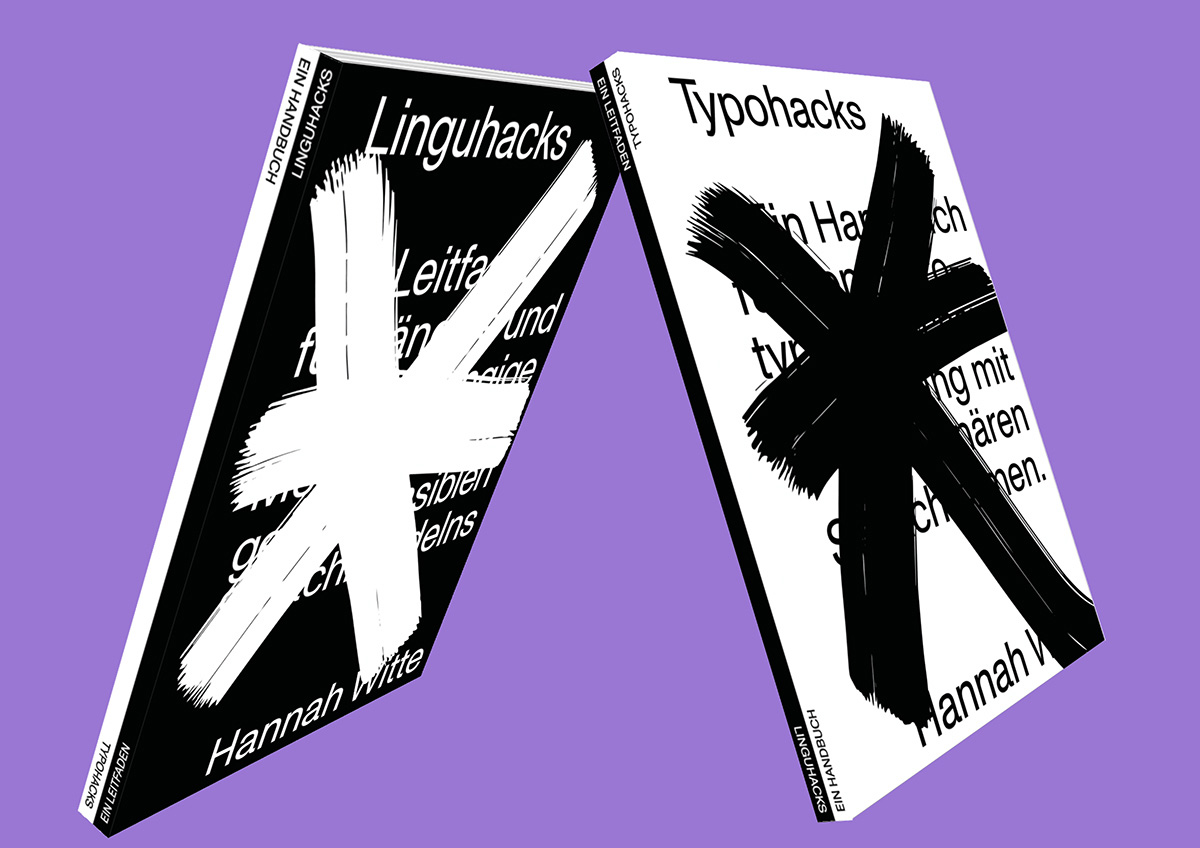
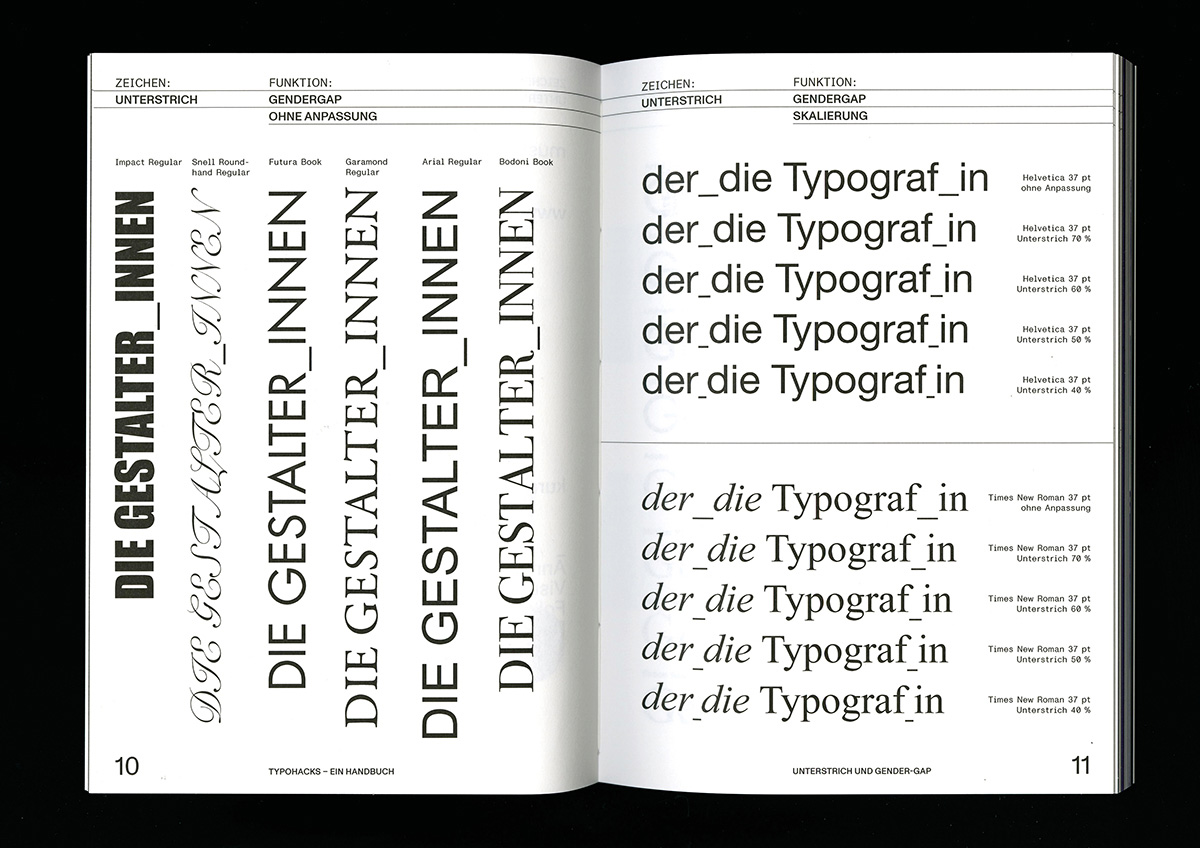
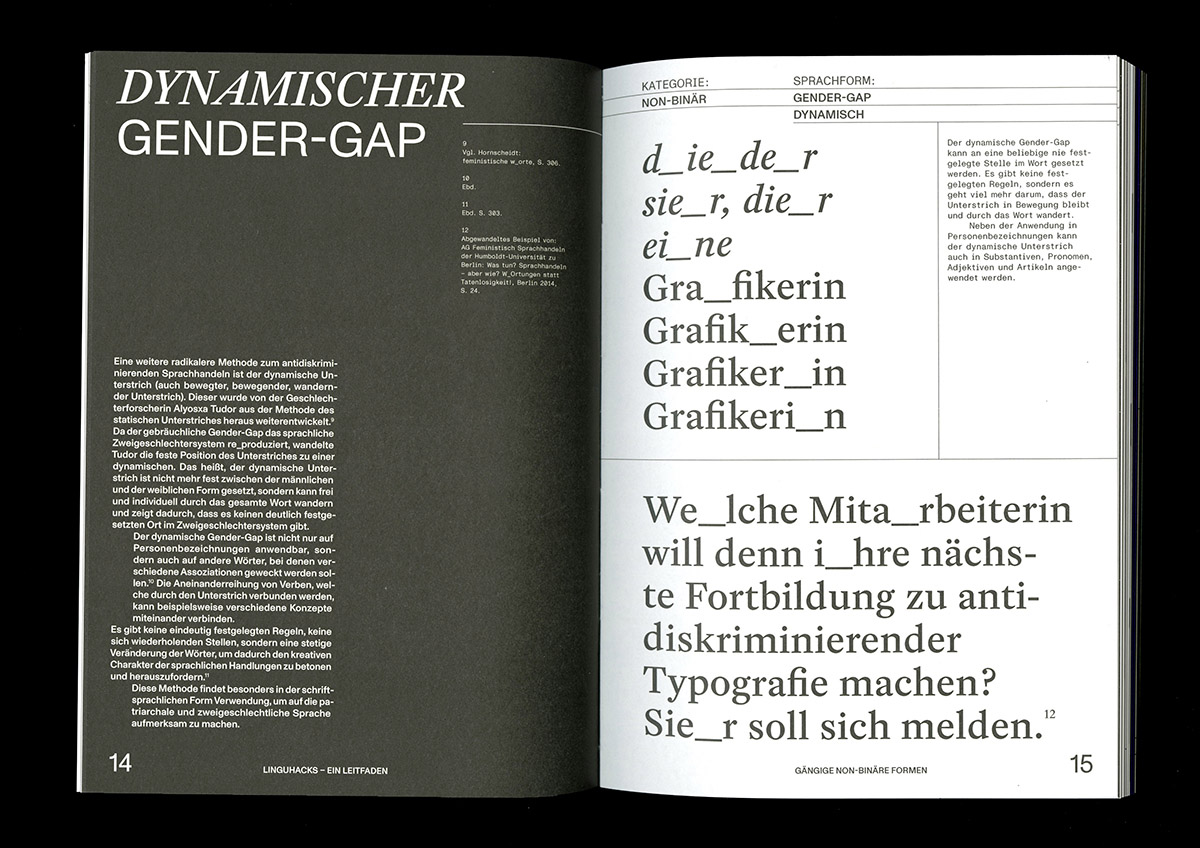
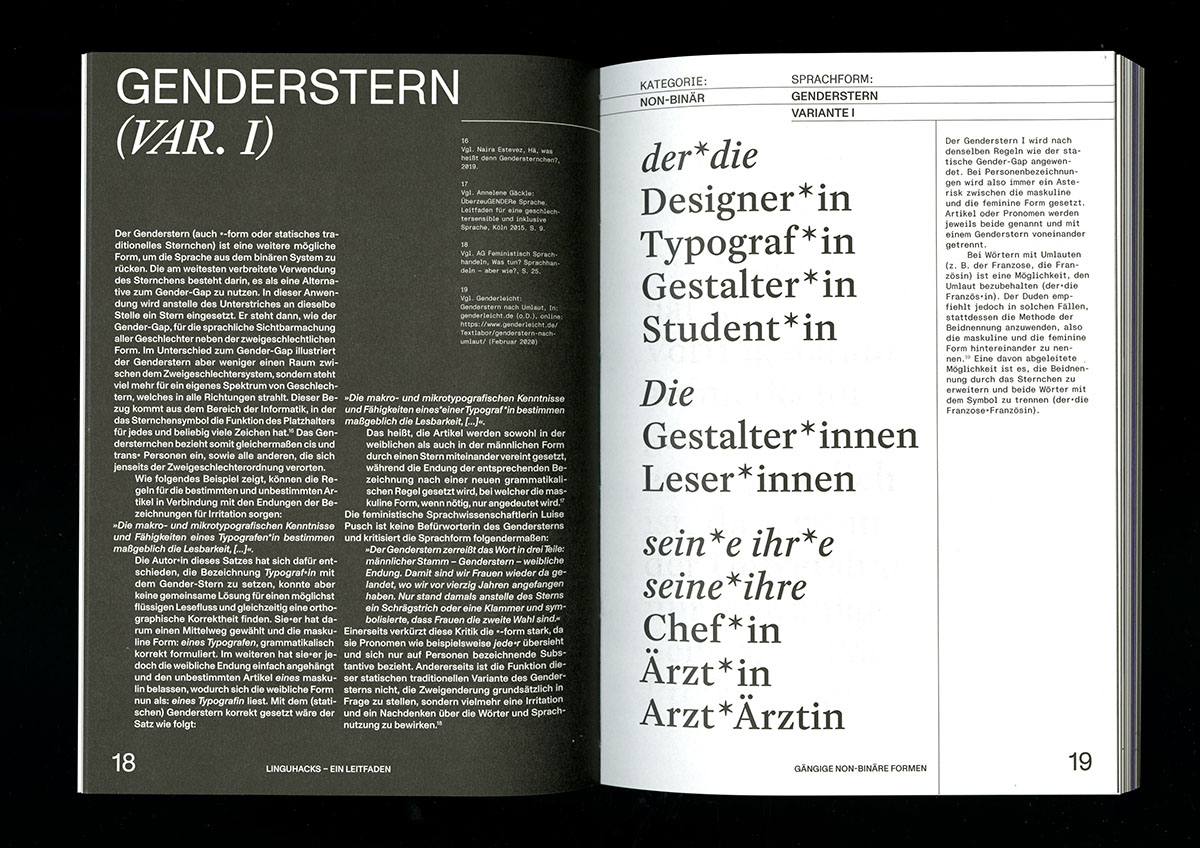
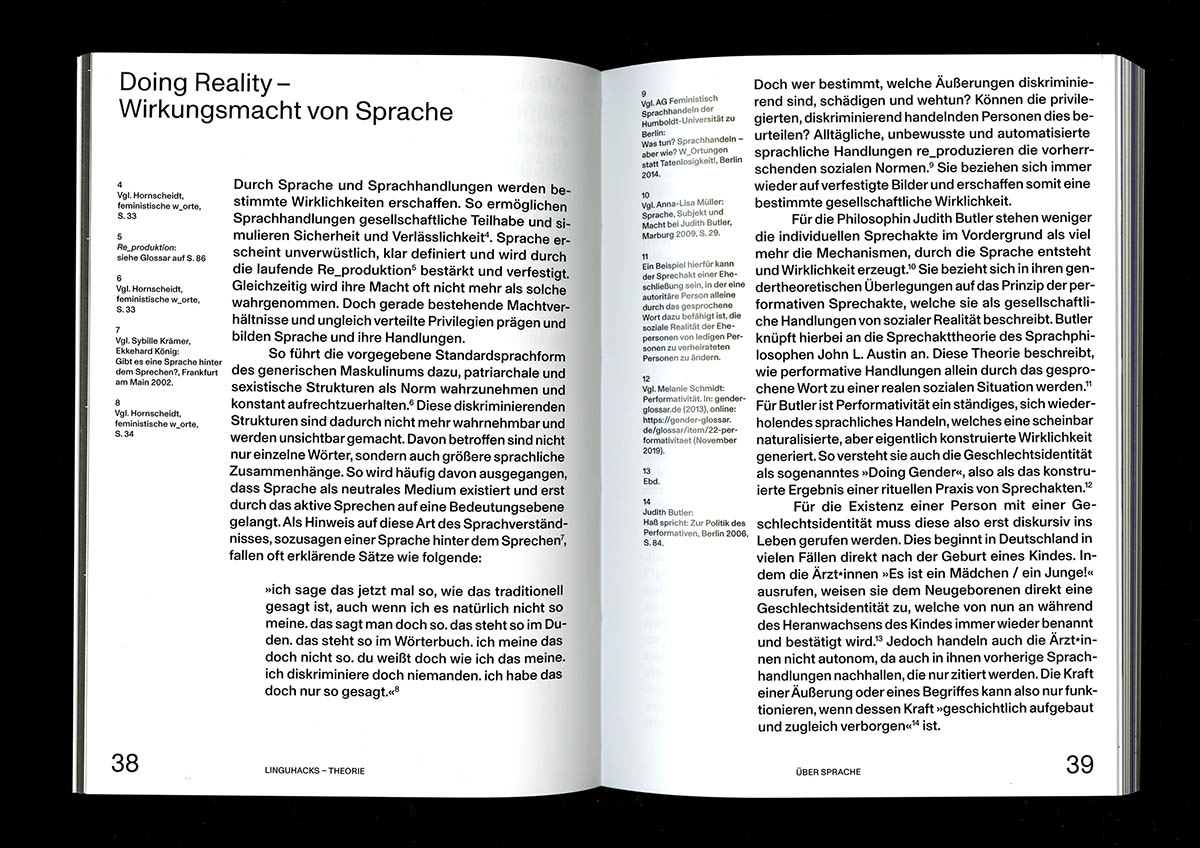
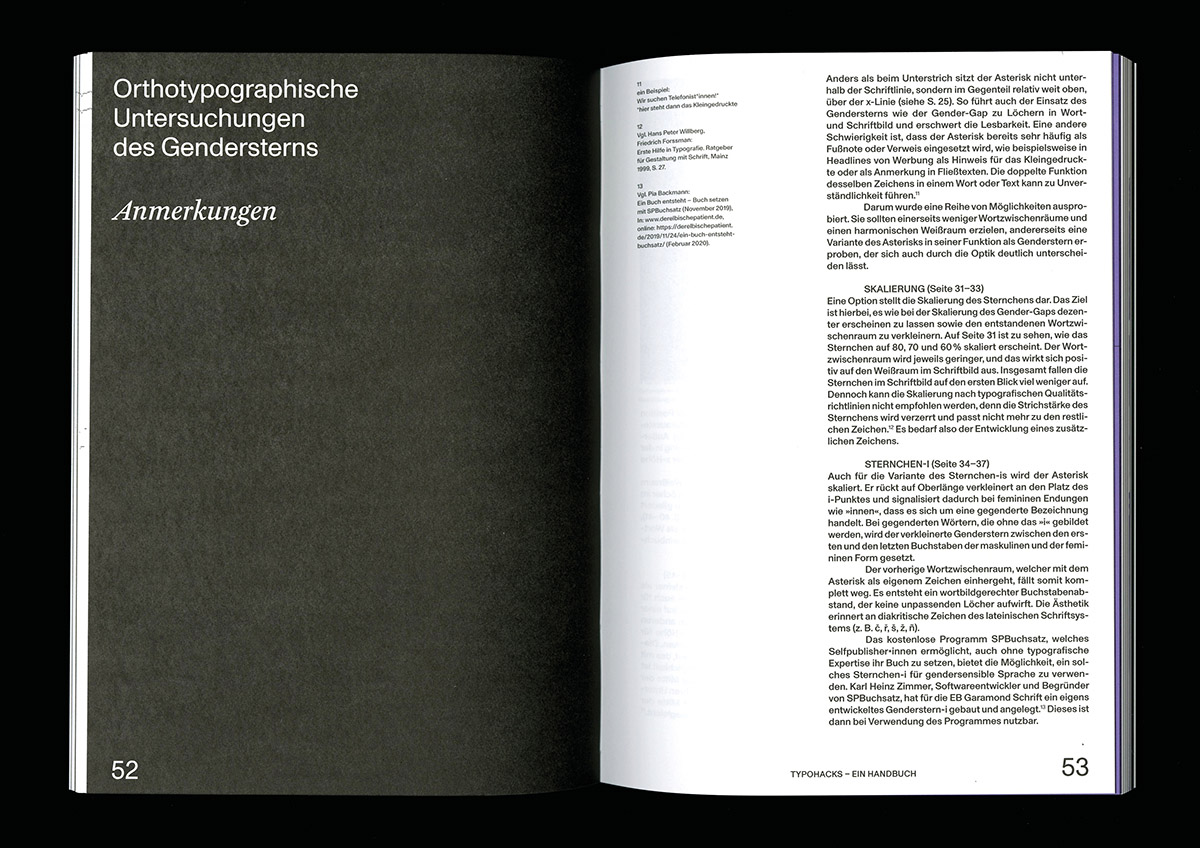
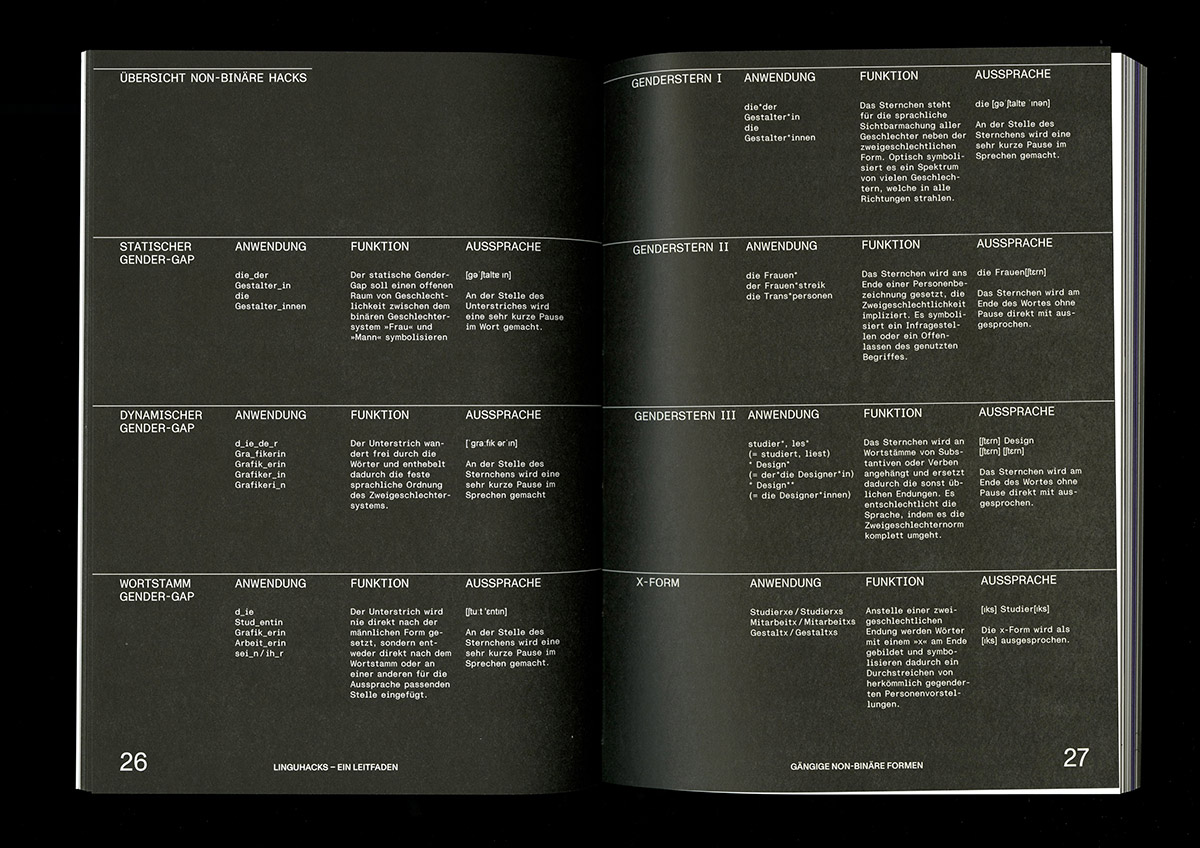
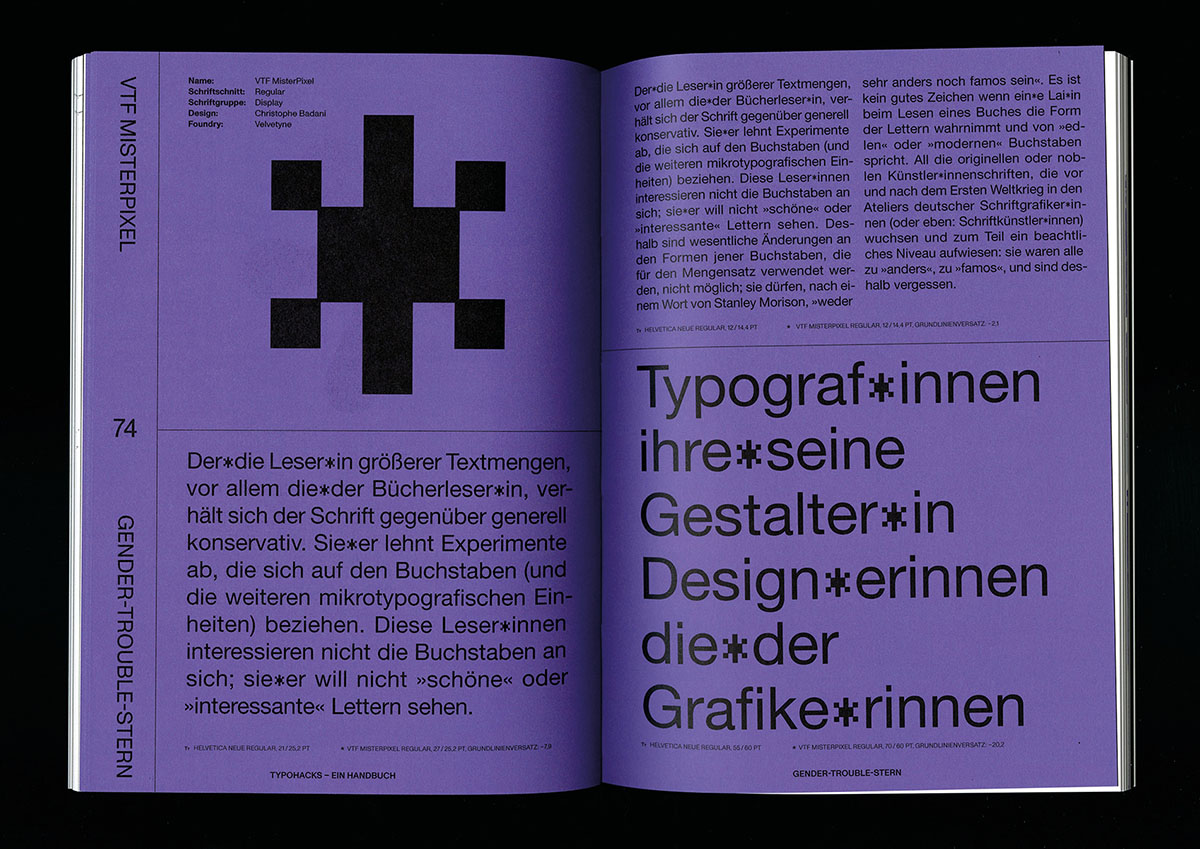
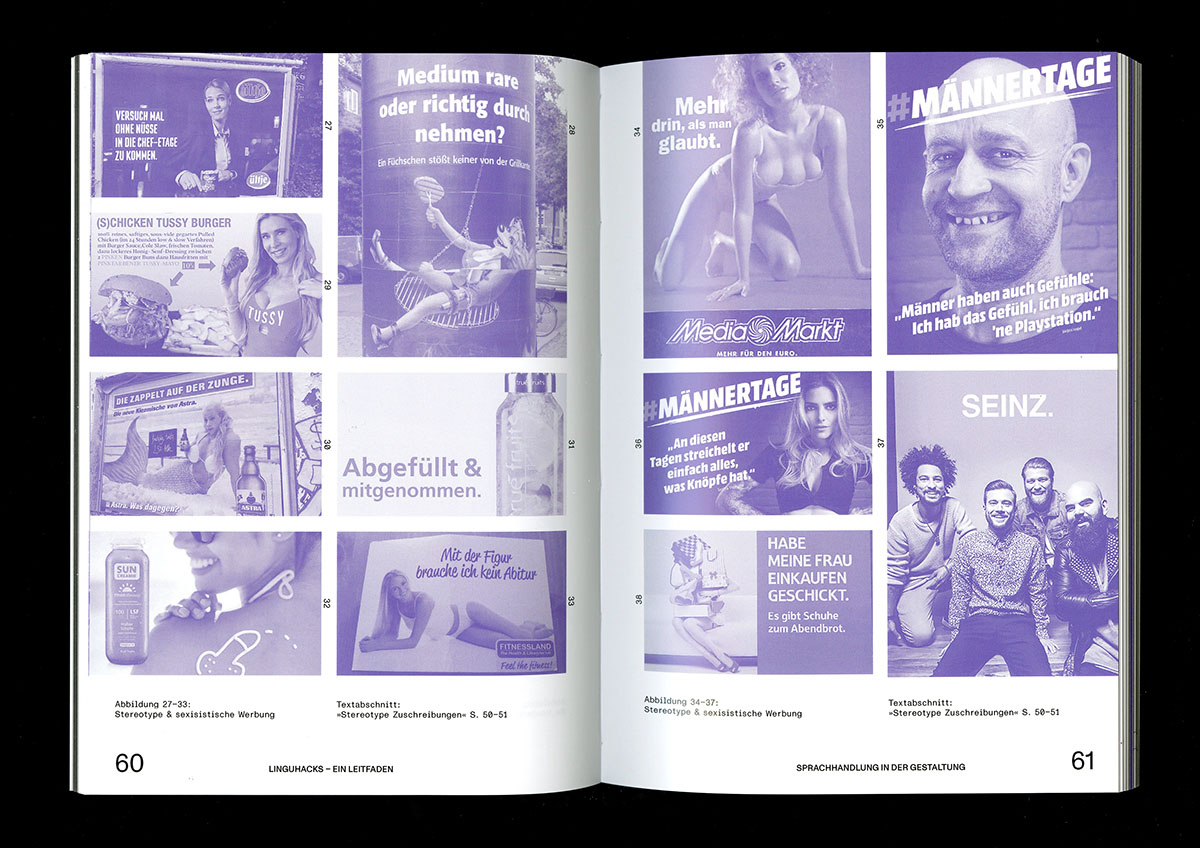
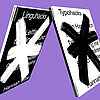
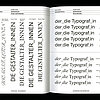
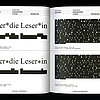
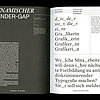
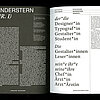
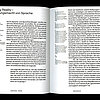
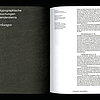
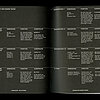
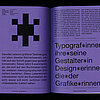
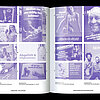
"Linguhacks/Typohacks" is the bachelor thesis of Hannah Witte, a graduate of the Communication Design program at the Folkwang University of the Arts. In her work, she deals with hacking methods for a non-binary and gender-sensitive use of typography in the German language. The book contains an introduction to the topic of gender-sensitive language for designers and people working in the design context. It is also a typographic reference work with suggestions and ideas for the micro-typographic use of non-binary language forms. Hannah Witte uses the term hacking as a disruption or intervention in existing social norms, in this case orthographic and typographic norms. The fact that the book has two inner sections, each rotated by 90 degrees, allows the reader to decide which half they want to start with. Linguhacks offers a linguistic introduction to the topic of gender-sensitive language hacks and is therefore aimed at all interested readers who want to get to know the different language forms and their backgrounds. The Typohacks section of the book builds on this prior knowledge and visualizes typographic experiments and suggestions for dealing with gender stars and the like in design. A series of interviews with designers Ann Richter from Studio Pandan, Daniela Burger from Missy Magazine and Folkwang professor Ralf de Jong, co-author of the reference work "Detailtypografie", provide an insight into the current use of gender-sensitive language within the design scene. We asked Hannah about her book and her time at Folkwang
Would you like to briefly introduce yourself and tell us what you are studying, what you are working on and what you specialize in?
My name is Hannah Witte and I've been studying graphic design in the systems design class at the Academy of Visual Arts (HGB) in Leipzig since the 2020/21 winter semester. Last summer I completed my bachelor's degree in communication design at the Folkwang University of the Arts. The focus of my work so far has been on conceptual and content-related research on socio-political topics (feminism, gender, race) and their relationship to design (typography and a non-binary use of language) and the graphic communication of information by means of book design, cartography, workshops, installations or digital media
- How long have you been working on the topic of design and language use in a gender context and how did this work begin?
As part of my work at the Gender@Folkwang department, I organized a workshop with the copywriter Sonja Knecht in 2018, in which a gender-sensitive approach to language was discussed specifically for design students. In the workshop, we took a very practical look at the various facets of language, expressive possibilities, reformulations and methods for gender-sensitive language use. At the same time, I was writing a term paper on the exclusionary effect of the generic masculine. Through the various discussions, I became quite sensitized to this topic. When I did an internship at a design agency last summer, I noticed both a lack of sensitivity and uncertainty in dealing with gender-sensitive language forms. Typography guides frequently used in the agency, such as the book "Detailtypografie" by Forssmann and de Jong, did not provide any information on the typographic use of gender stars and the like. So I started researching the topic of gender and typography and found out that although there are a lot of disagreements among designers on various typography forums about the practical handling, there has not yet been a published comprehensive discussion in this area. So I decided to research the topic as part of my bachelor's thesis
- You say that you also wrote the book because no one has yet systematically addressed the topic. What is happening in design circles at the moment? Is it currently a widely discussed topic or more of a niche issue?
I think that the topic is currently being discussed more and more and quite a lot of designers are asking themselves very similar questions. Design scientist Anja Neidhardt, for example, published the article "Streit um Asterisk" in ROM Magazine at the end of 2018, in which she discusses various positions of designers on how to deal with gender-sensitive language hacks. And Studio Pandan recently held a design workshop on the fair use of language and writing at the university in Kiel. Nina Sieverding, the editor-in-chief of Form magazine, also told me that the topic of typographic handling of gender-sensitive language in the magazine was also an issue for you at the beginning of the year
- You write that as a designer you always see yourself in a content-related role... are there limits to this role?
Sure, there are definitely limits! I see the work of a designer as a collaborative activity in which the designer and the person giving the order or content work hand in hand. This means that the content is developed together and therefore the role is distributed across several positions, but in reality the hierarchies are of course often not equal, so that the designers are only seen in the role of graphic implementation for the content that has already been generated
- Can you understand if other designers don't see it that way?
Yes, distancing yourself from certain commissions and content is also a question of privileges and opportunities. Basically, I think it's very important to address the role and political responsibility of a designer during your studies and to promote a discussion of your own role
- Your book is full of suggestions for solving the problem of typeface - which is your favorite?
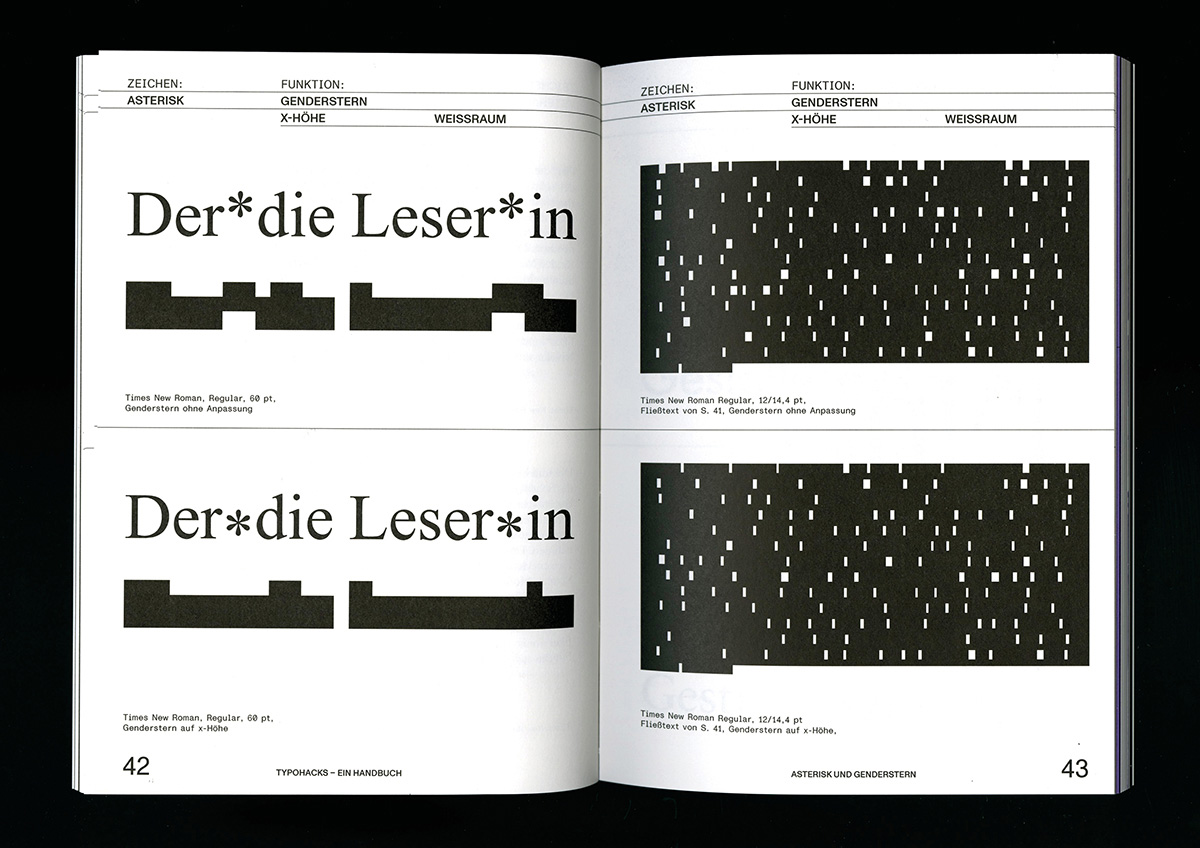
My favorite suggestion is to create the gender star in the size of the x-height (like a lowercase letter). However, this requires an extra character in the character set, as simply scaling the asterisk to x-height leads to a distorted display of the stroke width. This is why I usually use the solution of moving the gender asterisk down to x-height in my own work. This is relatively easy to implement in common layout programs such as InDesign
- Let's talk about your time at Folkwang. To what extent did your studies at Folkwang help you to deal with the topic? Were there any gaps?
I basically had a very good and intensive time at the Folkwang University of the Arts, which I like to think back on. During my studies, I became aware of the Gender@Folkwang department and, together with student Hanna Fink, organized various workshops and lecture series at the Department of Design and Music on the subject of feminism, gender and diversity in relation to our departments. The new professorship for Gender & Diversity in the Department of Design, which was filled by Prof. Simon Dickel, was also a great and very important addition to my studies. The theory courses offered in the field of gender studies made it possible for me to combine the topics covered there with my practical work. In general, however, I would like to see much more discussion and thematization of political responsibility as a designer addressed and expanded in the individual courses. At some points in the teaching, I had the impression that there was no awareness or sensitivity to the topics of non-binary gender realities, sexist and racist content or Eurocentric values. I also find it very problematic that all professorships in Communication Design are exclusively male and white, and I hope that more attention will be paid to this issue in the future
- What does your future hold? Will you continue to work in the field of gender or will you do something completely different?
Since the winter semester 20/21, I have been studying in the System Design class with Prof. Maureen Mooren and Malin Gewinner at the Hochschule für Buchkunst in Leipzig. What I particularly like about the system design class is that design is discussed here as a "critical tool". I continue to use this understanding of design in my creative work with feminist, political and gender-sensitive themes. Parallel to my studies, I am currently working on a Kickstarter campaign together with the publisher of form magazine to publish my book Linguhacks/Typohacks. This will go online in March and I am very excited about the development of this project!The book "Linguhacks/Typohacks" will be published in 2021 by the publisher of form magazine and is to be financed with the help of a Kickstarter campaign. If you would like to be kept up to date about the campaign, please contactHannah by email.